- Mar 4
Muscle as Medicine: Why Protein at Breakfast is a Non-Negotiable for Longevity
- Chloe Archard
- 0 comments
Welcome to The Weekly Science Edit, where we unpack one evidence-based insight each Wednesday to help you make informed, empowered choices about your health.
Here's something I wish someone had told me years ago: your muscles aren't just for carrying shopping bags or chasing after children.
They're one of the most metabolically active tissues in your body, a living, breathing pharmacy that regulates your blood sugar, protects your bones, supports your immune system, and quite literally determines how well you age.
And the way you feed them first thing in the morning? That matters more than you might think.
What is Muscle-Centric Medicine?
Dr. Gabrielle Lyon, a functional medicine physician and researcher, has pioneered what she calls "muscle-centric medicine", a paradigm shift that places skeletal muscle at the heart of metabolic health and longevity.
Instead of focusing solely on losing fat or lowering the number on the scales, muscle-centric medicine asks: How healthy is your muscle?
Because here's the truth: muscle is your body's largest glucose sink.
The Glucose Sink: Your Body's Built-In Blood Sugar Manager
Think of your muscles as a sponge.
Every time you eat carbohydrates, your body breaks them down into glucose (sugar), which enters your bloodstream. Your muscles then act as the primary site for glucose disposal, they soak it up, store it as glycogen, and use it for energy.
The healthier and more abundant your muscle mass, the better your body can handle that glucose load without letting it spike your blood sugar or get stored as fat.
This is why maintaining muscle isn't just about strength or aesthetics, it's about metabolic resilience.
It's about keeping your blood sugar stable, your energy consistent, and your risk of insulin resistance, type 2 diabetes, and metabolic dysfunction low.
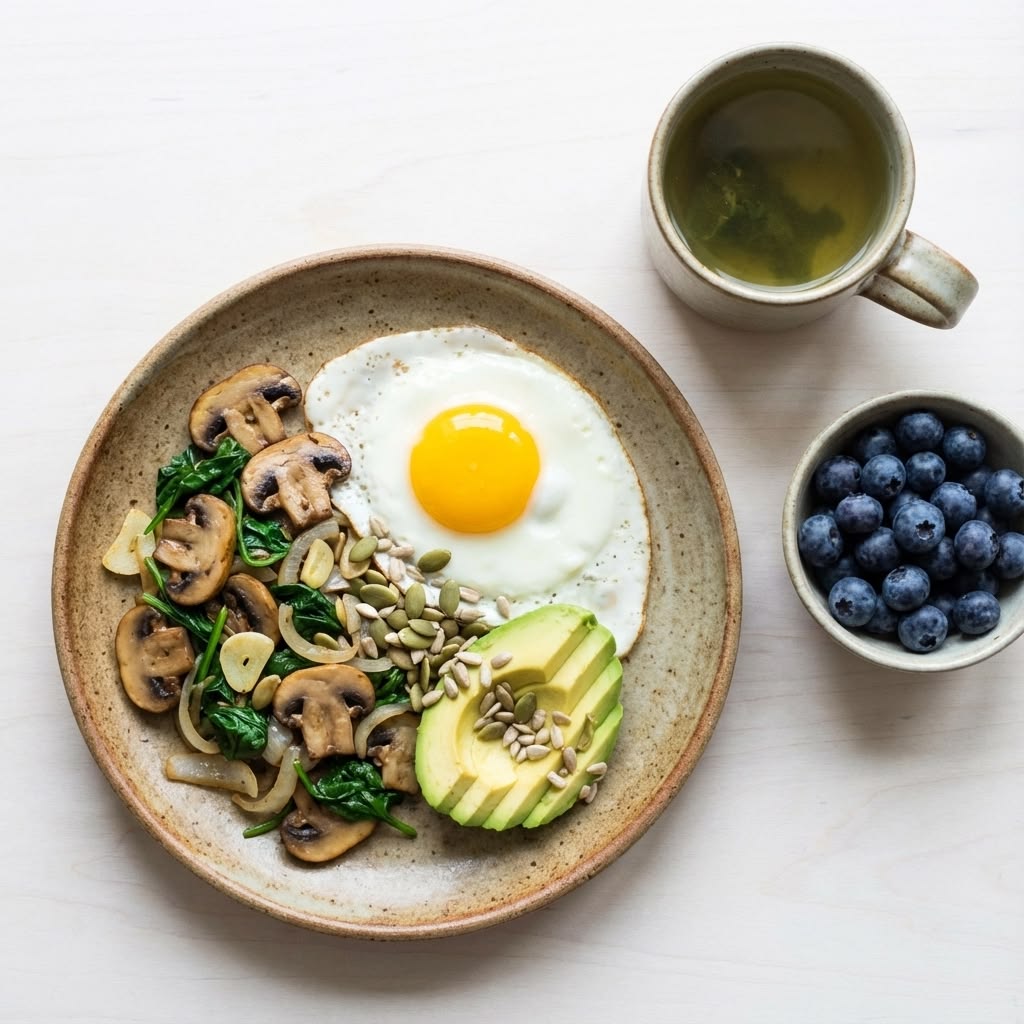
The 30g Rule: Why Breakfast Protein is Crucial
Here's where the science gets really interesting.
Research shows that consuming at least 30 grams of high-quality protein at breakfast is the threshold needed to trigger muscle protein synthesis (MPS), the process by which your body builds and repairs muscle tissue.
Why does this matter in the morning specifically?
Because after 8–10 hours of sleep, your body has been in a fasting state. During that time, it's been breaking down muscle tissue for fuel (a process called catabolism). When you wake up, you need to flip the metabolic switch from breakdown to building.
That switch? It's called leucine.
Leucine is an essential amino acid found in protein-rich foods. It acts as a signal to your muscles: Time to grow and repair. But there's a threshold, you need enough leucine in one sitting to trigger the response. For most adults, that's roughly 2.5–3 grams of leucine, which translates to about 30 grams of protein.
When you front-load your day with protein, you:
- Set your metabolic tone for stable blood sugar throughout the day
- Support muscle maintenance and growth, especially as you age
- Improve satiety, reducing mid-morning cravings and energy crashes
- Enhance metabolic resilience, supporting longevity and physical independence
The Longevity Connection
As we age, we naturally lose muscle mass, a process called sarcopenia. It begins as early as our 30s and accelerates after 50.
But here's the empowering part: this isn't inevitable.
Studies consistently show that older adults who consume adequate protein, especially at breakfast, have better physical function, greater muscle mass, and a lower risk of mortality.
In fact, approximately 59% of studies examining high protein intake at breakfast showed increased muscle mass among participants. Those who ate more protein in the morning (rather than concentrating it all at dinner) had greater skeletal muscle index and lean body mass.
Your body can't store excess protein for later use. What you don't use at dinner doesn't "roll over" to the next day. That's why distributing your protein, and prioritising it early, matters so much.
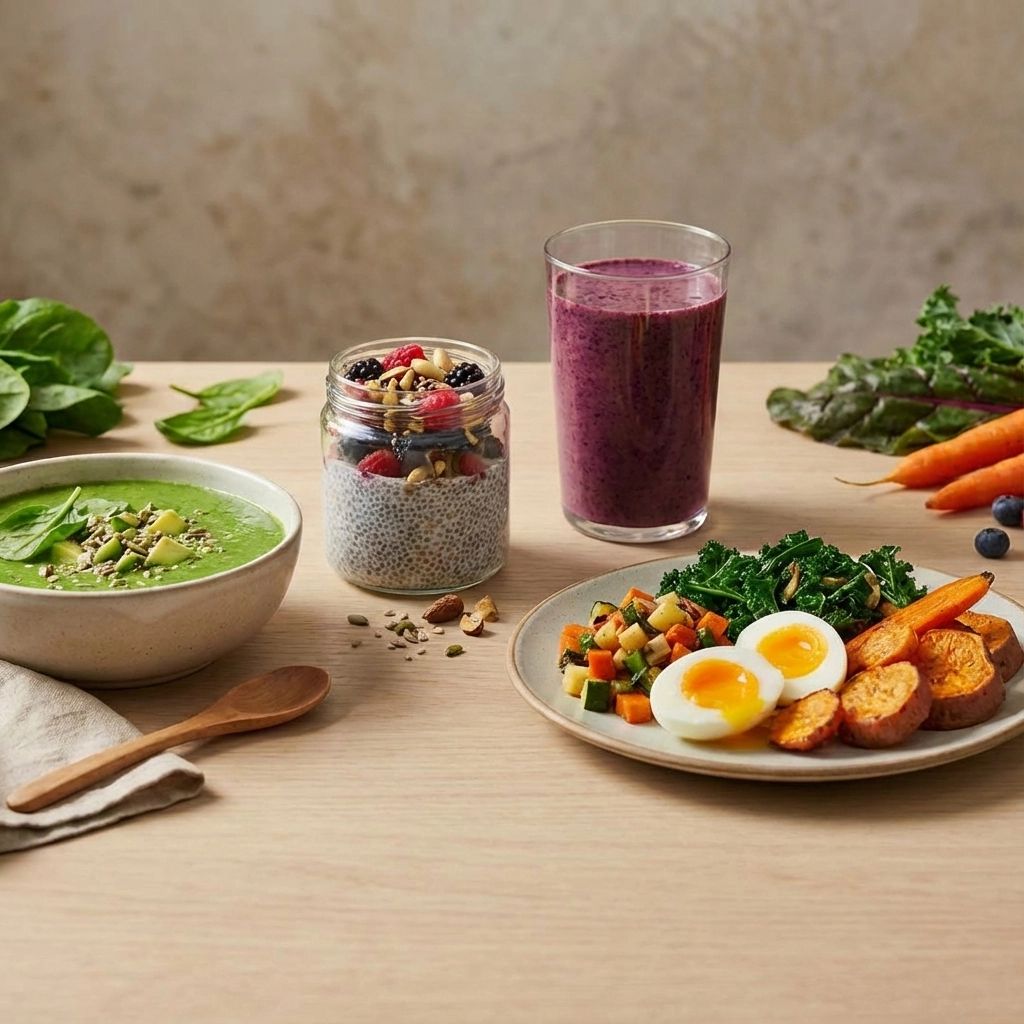
What Does 30g of Protein Look Like?
Let me make this practical for you.
Here are some simple, real-food breakfast templates that hit the 30g mark:
Option 1: Classic Protein Plate
- 3 eggs (scrambled, poached, or fried) = 18g
- 2 slices of smoked salmon = 12g
- Sautéed spinach and mushrooms
- Half an avocado
- Total: ~30g
Option 2: Greek Yogurt Power Bowl
- 200g full-fat Greek yogurt = 15g
- 30g nuts (almonds or walnuts) = 6g
- 2 tbsp seeds (pumpkin, sunflower, chia) = 4g
- 1 tbsp nut butter = 4g
- Berries and a drizzle of Manuka honey
- Total: ~29g
Option 3: Tofu Scramble (Plant-Based)
- 200g firm tofu = 20g
- 2 tbsp nutritional yeast = 5g
- 1 tbsp tahini = 3g
- Sautéed vegetables (peppers, tomatoes, kale)
- Slice of sourdough toast
- Total: ~28g
Option 4: Leftovers (Yes, Really!)
- 120g cooked chicken breast or salmon = 30g
- Roasted vegetables
- Sweet potato or quinoa
- Total: ~30g
Option 5: Protein Smoothie
- 30g collagen protein powder = 25g
- 1 tbsp almond butter = 4g
- Handful of spinach
- Frozen berries
- Unsweetened almond milk
- Total: ~29g
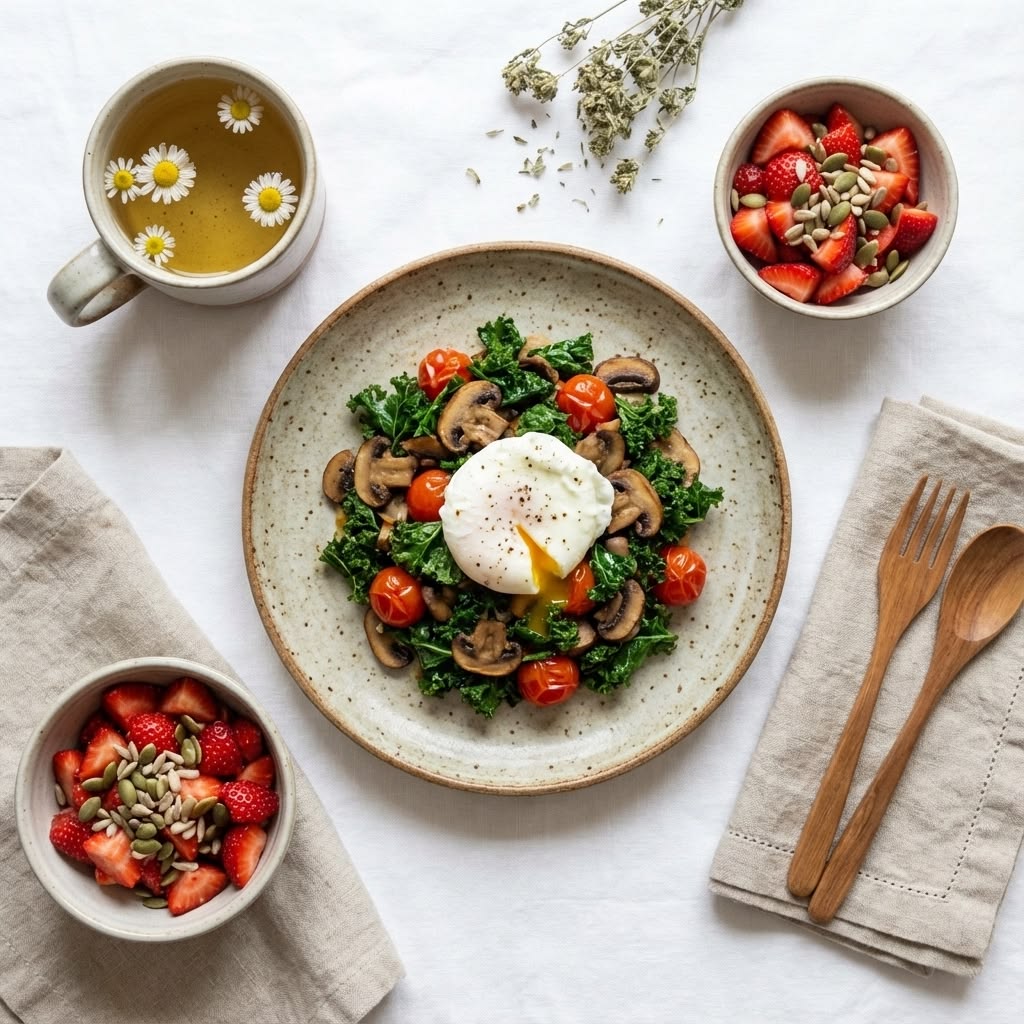
Troubleshooting: "But I'm Not Hungry in the Morning..."
I hear this all the time. Here's the thing: appetite in the morning is often a reflection of your habits the night before.
If you're eating late, snacking after dinner, or consuming a large evening meal, your body is still digesting when you wake up. Your circadian rhythm is also designed to ramp up digestive fire earlier in the day, not at 9pm.
Try this:
- Finish eating by 7–8pm and give yourself a 12-hour overnight fast
- Start with something small and protein-rich (a boiled egg, a few spoonfuls of Greek yogurt)
- Build up gradually over 1–2 weeks
Your appetite will adapt.
"I Don't Have Time..."
I get it. Mornings are chaotic.
But here's the beautiful truth: you don't need fancy recipes or Instagram-worthy plates.
Quick wins for busy mornings:
- Boil a batch of eggs on Sunday, grab 2–3 in the morning
- Keep pre-cooked chicken or turkey slices in the fridge
- Batch-make mini frittatas or egg muffins you can reheat
- Blend a protein smoothie in under 3 minutes
- Embrace leftovers, dinner can absolutely be breakfast
"What If I Have a Sweet Tooth?"
You can still honour that.
Just lead with protein first.
Have your eggs, then enjoy a small piece of sourdough with nut butter and a drizzle of Manuka honey. Or stir cacao powder and a touch of maple syrup into your Greek yogurt.
The key is: protein first, then pleasure.
A Note on Individual Needs
While the 30g guideline is evidence-based and beneficial for most, it's important to acknowledge that individual needs vary.
If you have chronic kidney disease or another condition that requires modified protein intake, please work with your GP or a registered dietitian to tailor these recommendations to your unique situation.
This isn't medical advice: it's an invitation to explore what supports your body best.
The Invitation
If you're reading this and thinking, "This makes sense, but I don't know where to start," you're not alone.
Inside The Cellular Reset: Reverse Your Bio Age in 8 Weeks, we build these habits together: step by step, week by week. We don't just talk about what to eat. We explore why it matters, how to make it fit your real life, and how to create a sustainable rhythm that supports your energy, your metabolism, and your longevity.
Because muscle truly is medicine.
And the way you nourish it each morning is one of the most powerful levers you have for thriving: now and for decades to come.
- £97
The Cellular Reset: Reverse Your Biological Age in 8 Weeks
- £7
Real Food 365
- £28
28-Day Revitalise
- £17